Fahn Kanne & Co Grant Thornton Israel is the sixth-largest Certified Public Accounting firm in Israel. Our clients come from all sectors of the Israeli market – from not for profit to the highly competitive hi-tech. The firm employs a professional staff of 410, including 28 partners. Over the years, our teams have amassed extensive experience in the fields of auditing, tax and management advisory services, in both the academic and the business worlds.
We provide high quality services to our clients and help them unlock their potential for growth. We are doing this in all areas of the services that we provide from audit to business risk services to business consulting.
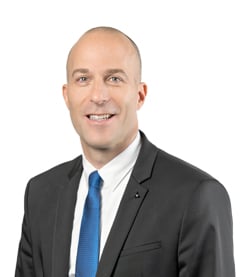
Mickey Blumenthal, Managing Partner, Fahn Kanne & Co.
Global strength
Grant Thornton is one of the world’s leading organisations of independent assurance, tax and advisory firms. With more than 80,000 people across 150+ markets, we are focused on making a difference to clients, colleagues and the communities in which we live and work.
Why Grant Thornton
We are large enough to take on the most demanding of projects but operate in a flexible and responsive way through listening and responding to our clients’ specific needs rather than adopting a ‘one size fits all’ approach.
The services we provide to our clients are based on an in-depth understanding of the client’s organisation and business environment, together with a high level of partner and senior manager involvement.